
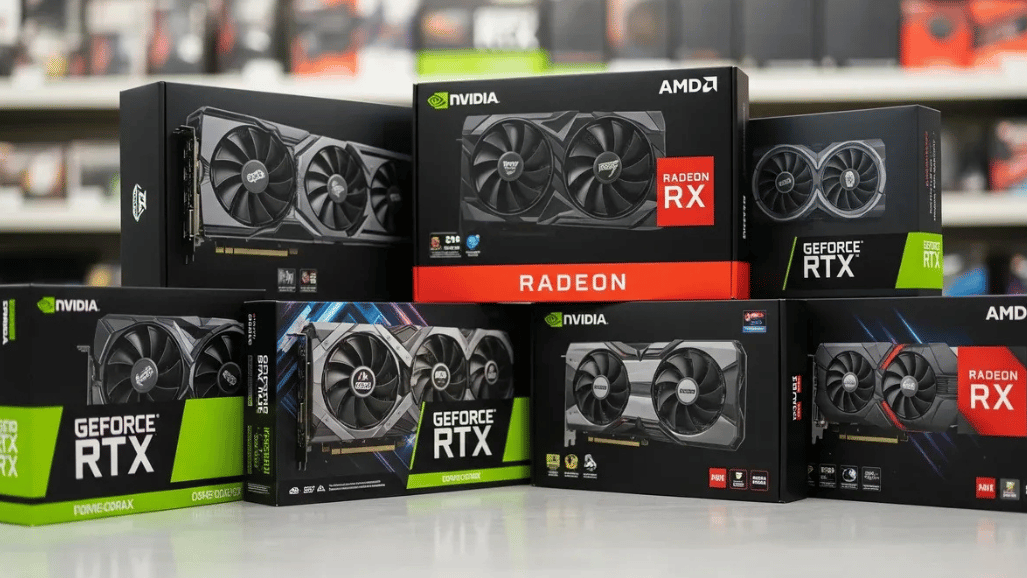
The AMD RX 7900 XTX and NVIDIA RTX 4080 occupy the upper echelon of modern GPUs, yet they cater to slightly different priorities within the high-end market. The RX 7900 XTX emphasizes raw rasterization performance and memory capacity, equipped with a massive 24 GB of GDDR6 VRAM that enables smooth handling of demanding.
Its architecture excels at traditional rendering tasks, giving gamers a strong advantage in high-resolution performance-per-dollar scenarios. In contrast, the RTX 4080’s 16 GB of faster GDDR6X memory is highly optimized for NVIDIA’s ecosystem, delivering exceptional ray tracing performance and AI-assisted upscaling via DLSS.
| Feature | RX 7900 XTX | RTX 4080 |
| Architecture | AMD RDNA 3 | NVIDIA Ada Lovelace |
| Process Node | TSMC 5 nm | TSMC N4 |
| Boost Clock | ~2.3 GHz | Up to ~2.5 GHz |
| VRAM | 24 GB GDDR6 | 16 GB GDDR6X |
| Memory Bus | 384 bit | 256 bit |
| Memory Bandwidth | ~960 GB/s | ~716.8 GB/s |
| Ray Tracing Cores | 96 | 76 (3rd gen) |
| Tensor/AI Cores | 192 | 304 (4th gen) |
| Power Draw (TGP) | ~355 W | ~320 W |
| Display Output | DisplayPort 2.1 | DisplayPort 1.4a |
| Typical MSRP | ~$999 | ~$1,200 |
| Strengths | Strong raster performance, massive VRAM, future-proofing, and good price-to-performance | Excellent ray tracing, DLSS & AI acceleration, lower power draw, creative software ecosystem |
| Weaknesses | Weaker ray tracing, less effective upscaling (FSR), higher power draw | Less VRAM, higher cost, limited future-proofing on DisplayPort |
AMD RX 7900 XTX and NVIDIA RTX 4080
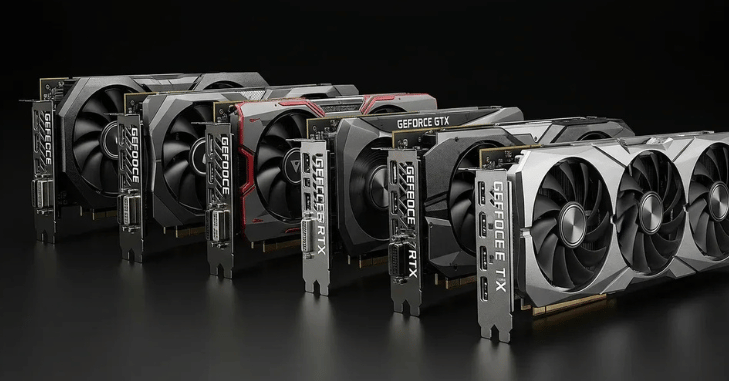
When comparing the AMD RX 7900 XTX and NVIDIA RTX 4080, the differences extend beyond raw performance to memory, power efficiency, and feature ecosystems. The RX 7900 XTX boasts 24 GB of GDDR6 VRAM, which gives it a significant edge in memory-intensive workloads like 4K gaming with ultra-texture packs.
This abundant memory also provides a degree of future-proofing, particularly for upcoming AAA games that may demand larger memory buffers. The RTX 4080, on the other hand, comes with 16 GB of faster GDDR6X memory.
In terms of raw performance, the RX 7900 XTX generally excels in rasterized workloads, often leading in high-resolution gaming benchmarks, while the RTX 4080 shines in ray tracing and DLSS-supported titles thanks to NVIDIA’s mature ecosystem and AI acceleration features.
Architecture and Key Specifications
| Feature | RX 7900 XTX | RTX 4080 |
| Architecture | AMD RDNA 3 | NVIDIA Ada Lovelace |
| Process Node | TSMC 5 nm | TSMC N4 |
| Boost Clock | ~2.3 GHz | Up to ~2.5 GHz |
| VRAM | 24 GB GDDR6 | 16 GB GDDR6X |
| Memory Bus | 384‑bit | 256‑bit |
| Memory Bandwidth | ~960 GB/s | ~716.8 GB/s |
| Ray Tracing Cores | 96 | 76 (3rd‑gen) |
| Tensor/AI Cores | 192 | 304 (4th‑gen) |
| TGP (Power) | ~355 W | ~320 W |
| Display Output | DisplayPort 2.1 | DisplayPort 1.4a |
| Typical MSRP | ~$999 | ~$1,200 |
Gaming Performance — Raster vs Ray Tracing
Rasterized (Traditional) Gaming
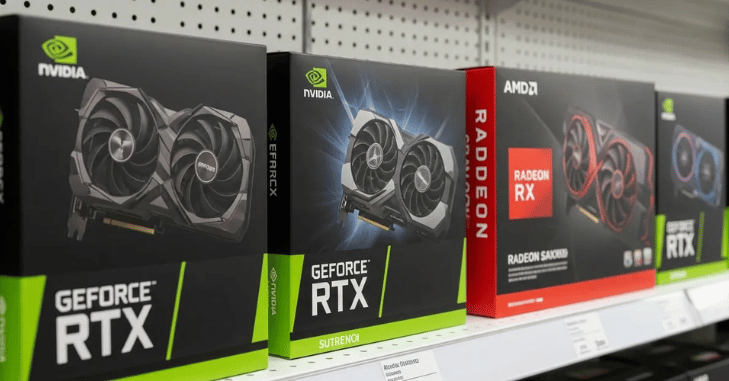
In traditional gaming performance without intensive ray tracing, the RX 7900 XTX often takes the lead or ties with the RTX 4080, especially at 1440p and 4K resolutions. In several benchmarks, RX 7900 XTX delivered higher average frame rates in titles like Remnant 2, Starfield, Far Cry 6, and Hogwarts Legacy, showing 8–22% leads in many scenarios.
Ray Tracing and Upscaling
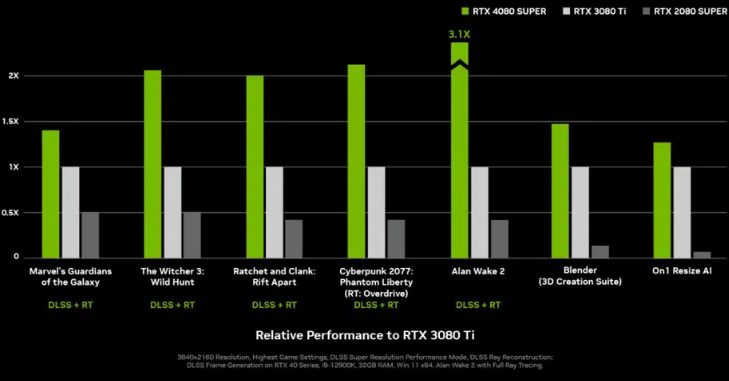
Where the RTX 4080 shines is ray tracing and AI-assisted upscaling. NVIDIA’s DLSS (Deep Learning Super Sampling) often delivers significant performance boosts compared to AMD’s FSR (FidelityFX Super Resolution), giving NVIDIA an edge in titles with heavy ray tracing. In some games with ray tracing enabled, the RTX 4080’s advantage was substantial, especially with DLSS.
Real‑World Gaming Examples
Here’s a snapshot of how these GPUs compare in actual gaming use:
- Remnant 2: RX 7900 XTX often outperforms the RTX 4080 across resolutions.
- Far Cry 6: Shows AMD’s lead in raw performance.
- Ratchet & Clank: Rift Apart: RTX 4080 led strongly when ray tracing is enabled.
- Cyberpunk 2077: RTX 4080’s ray tracing advantage significantly widened the performance gap.
- Starfield: RX 7900 XTX shows solid raw performance, but DLSS narrowed the gap.
Memory and Future‑Proofing
The RX 7900 XTX’s 24 GB of VRAM provides a significant advantage for memory-intensive workloads, making it particularly well-suited for high-resolution textures, 4K or 8K gaming, 3D rendering, and professional applications like Blender, Maya, and DaVinci Resolve.
In comparison, the RTX 4080’s 16 GB of faster GDDR6X memory delivers excellent performance for most current titles and workloads, particularly at 1440p and 4K resolutions. However, its smaller VRAM buffer may become a limiting factor in ultra-resolution textures, extremely high-end rendering projects, or certain future AAA titles that require more memory.
Feature Set & Ecosystem
NVIDIA RTX Features
- DLSS: Industry-leading AI upscaling, enhancing performance and image quality.
- Ray Tracing Cores: Dedicated units with strong RT performance.
- CUDA & AI Acceleration: Widely supported in creative apps like Blender, DaVinci Resolve, andthe Adobe suite.
AMD RX Features
- FSR Upscaling: Broad cross-platform upscaling, though generally less impactful than DLSS.
- DisplayPort 2.1 Support: Allows future-proof monitor compatibility, such as high refresh rates and higher resolutions.
- Larger VRAM & Bandwidth: Helps in memory-intensive scenarios and large textures.
The RTX 4080’s DLSS ecosystem and AI capabilities give it an edge in workflows that leverage AI features or creative acceleration. Meanwhile, RX 7900 XTX’s strength lies in raw raster performance and memory headroom.
Power Consumption & Efficiency
Although both the RX 7900 XTX and the RTX 4080 are high-end GPUs designed for top-tier gaming and professional workloads, the RX 7900 XTX has a higher power draw, around 355 W, compared to the RTX 4080’s approximately 320 W.
This increased power consumption means that the AMD card may produce slightly more heat, which could require better cooling solutions to maintain optimal temperatures during extended gaming or rendering sessions. Additionally, users may need a more robust power supply to ensure stable performance, especially in systems with other power-hungry components.
Pricing & Value Proposition
- At launch, the RX 7900 XTX had a lower MSRP of around $999, compared to the RTX 4080 at approximately $1,200.
- This makes AMD’s RX 7900 XTX more attractive in terms of performance-per-dollar, particularly in rasterized gaming and VRAM-heavy workloads.
- Market prices fluctuate, but historically, the RX 7900 XTX has been positioned as a more cost-efficient option for gamers seeking high performance across most modern titles.
- For users prioritizing budget-conscious high-end performance, the RX 7900 XTX often delivers similar or better value than the RTX 4080 in many scenarios.
Pros & Cons Summary
| GPU | Pros | Cons |
| RX 7900 XTX | Strong raster performance, often leading at high resolutions. Generous 24 GB VRAM for future-proofing and creative tasks. DisplayPort 2.1 support for next-gen displaysBetter price-to-performance ratio in many markets | Rougher ray tracing performance. Upscaling (FSR) is generally less effective than DLSS. Higher power consumption |
| RTX 4080 | Excellent ray tracing and DLSS performance. Strong creative and AI acceleration ecosystemLower power draw than RX 7900 XTXSolid overall performance balance | Less VRAM than RX 7900 XTXHigher costDisplayPort 1.4a limits some future-proofing possibilities |
Who Should Choose Which?

Choose RX 7900 XTX If
- You want maximum rasterized frame rates at 1440p or 4K.
- VRAM longevity and future-proofing with large textures or datasets matter.
- You want excellent performance for less money.
Choose RTX 4080 If
- You frequently play games with heavy ray tracing and want top-tier results.
- You value DLSS performance gains and creative acceleration in apps.
- You prefer efficient power usage and strong AI features.
Conclusion
In conclusion, the AMD RX 7900 XTX and NVIDIA RTX 4080 each excel in their respective strengths, making the choice largely dependent on user priorities. The RX 7900 XTX dominates in raw raster performance, memory capacity, and cost-effective high-resolution gaming, making it ideal for gamers and content creators.
On the other hand, the RTX 4080 shines in ray tracing, AI-assisted upscaling, and creative software acceleration, offering superior visual fidelity in ray-traced games and strong performance in workflows that leverage NVIDIA’s mature ecosystem. While the RX 7900 XTX demands slightly more power, its larger VRAM and bandwidth provide an edge in heavy workloads.
Want to know about PS5 Internal Storage Explained: How Sony’s Custom SSD Powers Ultra-Fast Load Times, Seamless Gameplay, and Next-Generation Game Performance Check out our AI Tech category.
FAQs
The RX 7900 XTX generally leads in rasterized performance, especially at 1440p and 4K, making it ideal for gamers who prioritize high frame rates without heavy ray tracing.
The RTX 4080 outperforms in ray tracing and AI-assisted upscaling (DLSS), offering superior visual quality in titles that rely on advanced lighting effects and AI-enhanced rendering.
The RX 7900 XTX has 24 GB of GDDR6 VRAM, providing an edge for memory-intensive workloads, while the RTX 4080 has 16 GB of faster GDDR6X memory, sufficient for most current games but potentially limiting in ultra-high-resolution or future AAA titles.
The RX 7900 XTX draws around 355 W, slightly higher than the RTX 4080’s ~320 W, which means the AMD card may require stronger cooling and a more robust power supply.
Historically, the RX 7900 XTX has a lower MSRP (~$999 vs ~$1,200) and often provides better performance-per-dollar in rasterized gaming and VRAM-heavy tasks, while the RTX 4080 focuses on efficiency, AI features, and ray tracing performance.