
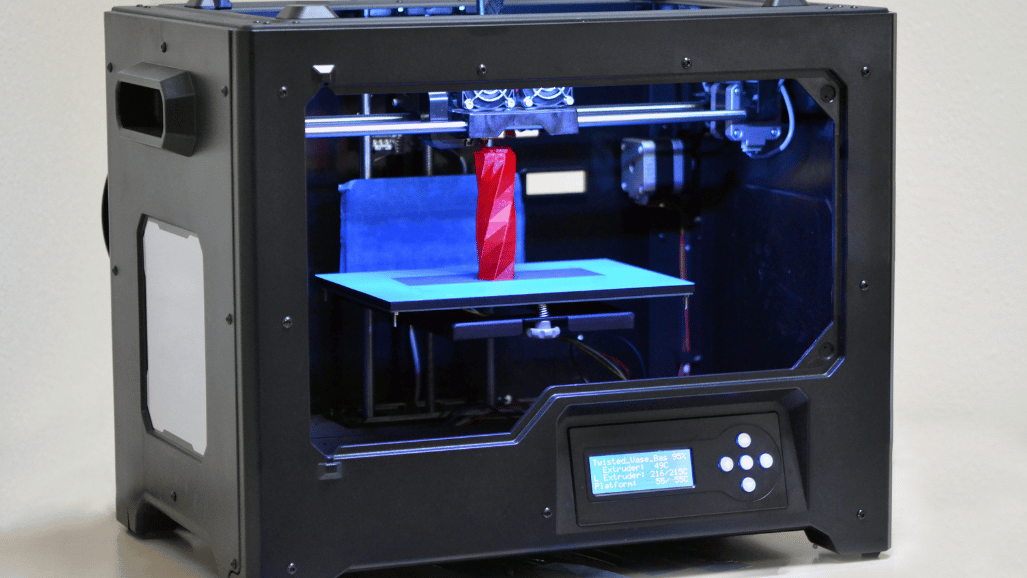
3D printing has revolutionized manufacturing, prototyping, and even creative hobbies. While 3D printers themselves play a crucial role, the filament you choose significantly affects print quality, durability, and application. With a wide variety of filaments available on the market, understanding their properties, applications, and limitations is essential for both beginners and professionals.
This guide explores the best 3D printer filaments, covering technical specifications, use cases, and tips for achieving optimal results. Whether for prototyping, creative projects, or end-use components, highlighting the pivotal role filament plays in the 3D printing ecosystem. There is more on this in Sublimation Printer.
| Aspect | Details |
| Best 3D Printer Filaments | 3D printer filaments are the “ink” of 3D printing, affecting print quality, durability, and applications. |
| Key Factors | Material properties, ease of printing, surface finish, durability, cost, and availability. |
| Popular Filaments | PLA: Beginner-friendly, low-temp, eco-friendly. ABS: Durable, heat-resistant, industrial use. PETG: Strong, chemical-resistant, moderate ease. TPU: Flexible, elastic, shock-absorbent. Nylon: High-strength, wear-resistant, advanced use. |
| Printing Specs | PLA: 180–220°C, ABS: 220–250°C, PETG: 230–250°C, TPU: 210–230°C, Nylon: 240–270°C. Bed temperature varies 20–110°C depending on the material. |
| Advantages | Smooth, precise prints, strong and durable parts, flexible options, excellent surface finishes, heat & chemical resistance, reduced failures. |
| Tips for Optimal Use | Control temperatures, store dry, ensure bed adhesion, adjust retraction settings, and post-process for aesthetics. |
| Applications | Prototyping, functional parts, mechanical components, artistic creations, creative projects. |
Best 3D Printer Filaments
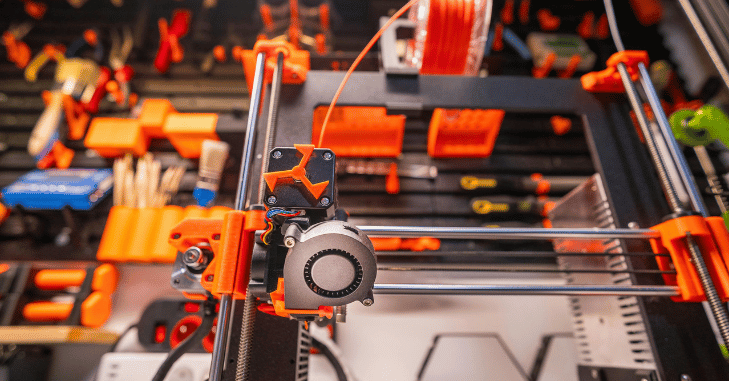
Best 3D printer filaments are the essential material that forms the foundation of any 3D printing project, acting as the “ink” that a 3D printer deposits layer by layer to create a physical object. Filaments come in a wide variety of materials, each with distinct properties such as strength, flexibility, heat resistance, and surface finish, allowing users to select the most suitable option for their specific application.
Common types like PLA are popular for their ease of use, low warping, and biodegradability, making them ideal for beginners and decorative prints, while ABS offers higher durability and heat resistance for functional parts and mechanical components. More advanced filaments, including PETG, Nylon, carbon fiber composites, and metal-infused variants, provide superior strength, stiffness, or specialty finishes for industrial, engineering, or artistic purposes.
Beyond material choice, filament quality affects print consistency, dimensional accuracy, and surface smoothness, making high-quality filaments crucial for achieving professional results. With innovations in filament technology, users can now create objects with enhanced visual appeal and structural integrity.
Key Factors to Consider When Choosing Filament
Before exploring the best 3D printer filaments, it’s essential to understand several critical factors that influence filament choice and print quality. Material properties play a major role, as different filaments vary in strength, flexibility, temperature resistance, and overall durability, which determines their suitability for specific applications.
Ease of printing is another key consideration, while some filaments are beginner-friendly and print at low temperatures, others may require high-temperature extruders, heated beds, or enclosed printers to prevent warping. Surface finish is also important, as filaments can produce smooth, glossy, matte, or specialty finishes, affecting the visual and tactile quality of the printed object.
Finally, cost and availability can impact the decision, as premium filaments such as metal-infused or carbon fiber composites are more expensive but offer superior strength, rigidity, and aesthetic appeal compared to standard filaments. Taking these factors into account helps ensure the chosen filament meets both functional and creative requirements.
Best 3D Printer Filaments

Here’s a detailed look at the most popular and effective 3D printer filaments in the market:
1. PLA (Polylactic Acid)
PLA is one of the most used filaments due to its ease of use, low printing temperature, and environmentally friendly composition (made from cornstarch or sugarcane).
- Printing Temperature: 180–220°C
- Bed Temperature: 20–60°C (sometimes optional)
- Strength & Durability: Medium, brittle at high stress
- Ease of Use: Very beginner-friendly
- Finish: Glossy, smooth
Pros
- Minimal warping, does not require a heated bed
- Eco-friendly and biodegradable
- Wide color variety and specialty options like glow-in-the-dark or wood-filled PLA
Cons
- Low heat resistance (~60°C)
- Not suitable for high-stress mechanical parts
2. ABS (Acrylonitrile Butadiene Styrene)
ABS is known for its toughness, impact resistance, and slightly higher heat resistance than PLA. It is widely used in industrial applications.
- Printing Temperature: 220–250°C
- Bed Temperature: 80–110°C
- Strength & Durability: Strong and impact-resistant
- Ease of Use: Moderate; prone to warping
- Finish: Matte, can be smoothed using acetone vapor
Pros
- Strong and durable
- Heat-resistant up to 100°C
- Can be post-processed easily for a smooth finish
Cons
- Emits fumes during printing (requires ventilation)
- Can warp without a heated bed or enclosure
3. PETG (Polyethylene Terephthalate Glycol)

PETG combines the ease of printing of PLA with the strength and durability of ABS. It’s resistant to water, chemicals, and moderate heat, making it ideal for functional parts.
- Printing Temperature: 230–250°C
- Bed Temperature: 70–90°C
- Strength & Durability: Strong, slightly flexible
- Ease of Use: Beginner to intermediate
- Finish: Glossy and smooth
Pros
- Low warping, sticks well to print beds
- Excellent chemical and moisture resistance
- Tough and impact-resistant
Cons
- Can string more than PLA during printing
- Requires careful retraction settings
4. TPU (Thermoplastic Polyurethane)
TPU is a flexible filament with rubber-like elasticity. It’s used for objects that require bending, stretching, or shock absorption.
- Printing Temperature: 210–230°C
- Bed Temperature: 40–60°C
- Strength & Durability: Flexible, elastic, durable
- Ease of Use: Challenging; slower print speeds recommended
- Finish: Smooth, elastic
Pros
- Flexible and impact-resistant
- Durable and abrasion-resistant
- Resistant to oils and chemicals
Cons
- Requires slower print speeds
- Difficult to print on Bowden extruders without direct drive
5. Nylon (Polyamide)
Nylon is a strong, lightweight filament with excellent mechanical properties and wear resistance. It’s ideal for high-performance functional parts.
- Printing Temperature: 240–270°C
- Bed Temperature: 70–90°C
- Strength & Durability: High strength, tough, slightly flexible
- Ease of Use: Advanced; sensitive to moisture
- Finish: Smooth, sometimes slightly glossy
Pros
- High strength-to-weight ratio
- Excellent abrasion and chemical resistance
- Ideal for functional engineering parts
Cons
- Absorbs moisture easily, requires dry storage
- Warps if not printed with an enclosure
Advantages of 3D Printing with Filaments
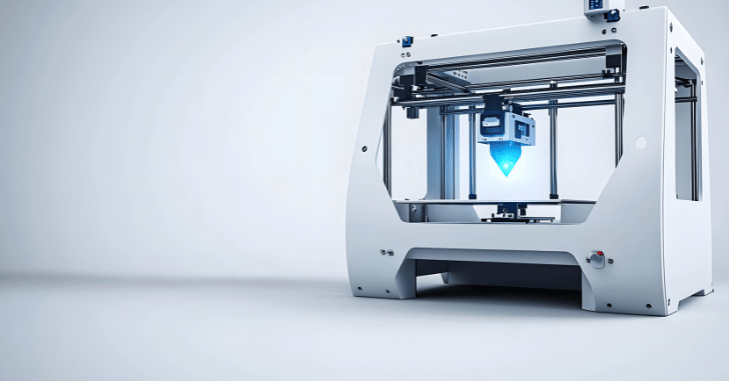
The best 3D printer filaments offer a range of advantages that enhance both the printing experience and the quality of the final product. High-quality filaments provide consistent extrusion and minimal warping, ensuring smoother, more precise prints. They deliver excellent strength, durability, and flexibility, making them suitable for functional parts, mechanical components, or artistic creations.
Many premium filaments also offer superior surface finishes, from glossy to matte, improving aesthetics without additional post-processing. Additionally, these filaments often provide better heat resistance and dimensional stability, allowing for reliable performance in demanding applications, all while reducing print failures and saving time and material costs.
Tips for Optimal 3D Printing with Filaments
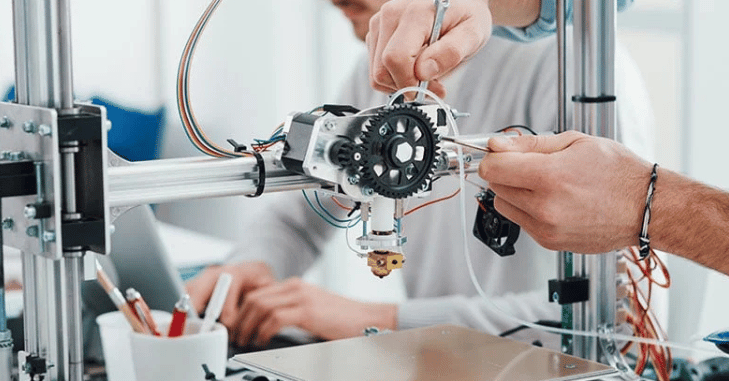
- Temperature Control: Always follow the manufacturer’s recommended extrusion and bed temperatures.
- Storage: Keep filaments dry in airtight containers with silica gel packs to prevent moisture absorption.
- Bed Adhesion: Use appropriate adhesives like glue sticks, painter’s tape, or PEI sheets for better layer adhesion.
- Retraction Settings: Adjust retraction for filaments like TPU or PETG to reduce stringing.
- Post-Processing: Sanding, acetone smoothing (ABS), or painting can enhance finished models.
Conclusion
Choosing the best 3D printer filaments is critical for achieving high-quality prints. While PLA is perfect for beginners and decorative models, materials like ABS, PETG, TPU, and Nylon provide superior mechanical properties for functional and professional applications. Specialty filaments offer aesthetic and functional enhancements for creative projects.
By understanding the properties, advantages, and limitations of each filament, users can optimize their prints for durability, precision, and visual appeal, ensuring their 3D printing projects meet both practical and creative expectations.
Want to know about NVIDIA GeForce RTX 5070 Ti SUPER: The Ultimate Upper Mid-Range GPU for 1440p–4K Gaming, Ray Tracing, and Creative Workloads Check out our Digital Revolution category.
FAQs
3D printer filament is the material used by 3D printers to create objects layer by layer. It acts like the “ink” in 3D printing and comes in various materials with different properties.
PLA (Polylactic Acid) is ideal for beginners due to its ease of use, low printing temperature, minimal warping, and eco-friendly composition.
ABS, PETG, Nylon, and carbon fiber-infused filaments are best for functional parts, offering strength, heat resistance, durability, and chemical resistance.
Yes, TPU (Thermoplastic Polyurethane) is flexible and rubber-like, making it perfect for objects that need bending, stretching, or shock absorption.
Ensure correct extrusion and bed temperatures, store filaments in dry conditions, use proper bed adhesion methods, and adjust retraction settings for filament prone to stringing.
Filament choice affects print quality, durability, surface finish, mechanical properties, and suitability for specific applications, making it crucial for both beginners and professionals.