
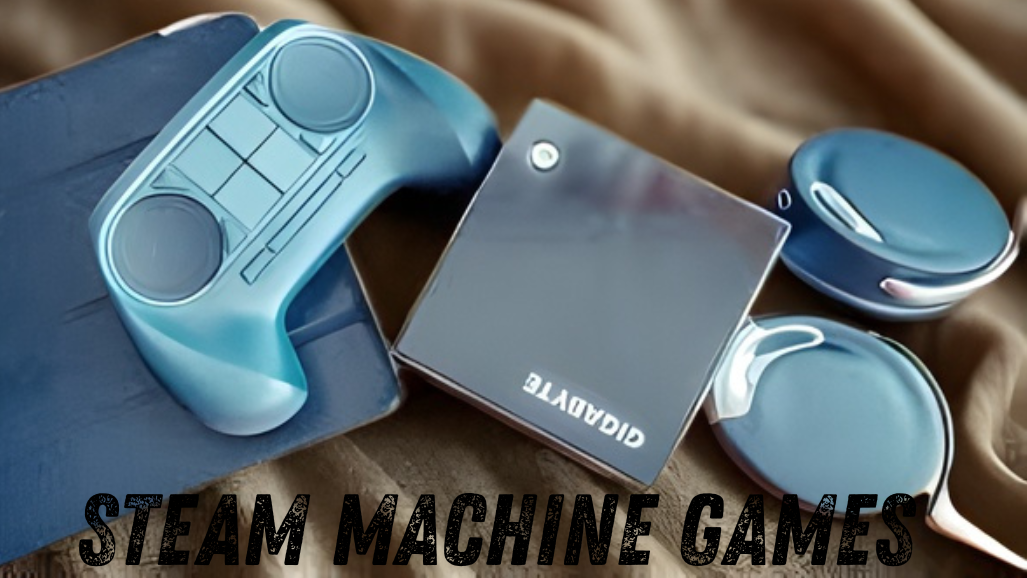
Steam Machine Games represent Valve’s ambitious effort to merge the power and flexibility of PC gaming with the comfort and simplicity of traditional console gaming. Built on SteamOS, these systems are designed to bring high-quality gaming directly to the living room without the complexity of a full desktop setup. By offering customizable hardware configurations and access to a vast Steam library.
Steam Machines allow gamers to tailor performance to their needs while enjoying a controller-friendly, console-like experience. With growing support for Linux-native titles and compatibility tools like Proton, Steam Machines Games continue to expand in both accessibility and appeal for modern gamers. Also worth reading: Portable TV for Travel, Camping, and Home.
| Category | Keypoints |
| Steam Machines | PC-Console Hybrid |
| Steam Machines Games | Linux Gaming OS |
| User Interface | Controller Friendly |
| Game Library | Steam Platform |
| Native Games | Linux Supported |
| Windows Games | Limited Support |
| Proton | Windows Compatibility |
| Steam Play | Cross-Platform Access |
| Entry-Level Systems | Casual Gaming |
| Mid-Range Systems | Balanced Performance |
| High-End Systems | AAA Gaming |
| Performance Factors | CPU GPU RAM |
| Controllers | Multiple Controller Support |
| Game Streaming | PC Streaming |
| Key Limitations | Compatibility Issues |
| Future Direction | VR Expansion |
Understanding Steam Machine Games

Steam Machine games represent Valve’s innovative attempt to blur the lines between PC gaming and traditional console experiences. These gaming consoles, running on SteamOS, aim to bring the flexibility and power of PC gaming to the living room, allowing users to enjoy a comprehensive gaming experience without the complexity typically associated with PC setups.
The concept behind Steam Machines is to offer customizable hardware options, enabling gamers to choose systems that align with their performance needs while also providing access to an extensive library of games available on the Steam platform.
SteamOS: The Operating System for Steam Machines
SteamOS is a Linux-based operating system designed explicitly for gaming. It features a gaming-oriented interface that allows for easy navigation using a controller, delivering a plug-and-play experience akin to that of traditional consoles. SteamOS supports multiple user accounts through family sharing, accommodating families and friends who want to enjoy games together.
Although it offers numerous advantages, including modding support, it also faces challenges, such as a somewhat limited library of compatible games and performance issues with titles not optimized for Linux.
Game Compatibility

Compatibility is a critical aspect of the Steam Machine games experience. While Steam Machines can Compatibility with Steam Games. Steam Machines are designed to run games available on the Steam platform. However, the compatibility primarily hinges on Linux support.
Native Linux Games
Many indie and popular titles are natively available for Linux and run smoothly on Steam Machines.
Windows-Only Games
Some titles are exclusive to Windows, leading to compatibility issues. Games that do not have a Linux version cannot be played directly on SteamOS.
Proton Compatibility Layer
Valve introduced Proton, a compatibility layer that allows many Windows games to run on Linux. This has expanded the library of playable games on Steam Machines significantly.
Steam Play
This feature allows players to purchase a game once and play it on any operating system, provided there is compatibility.
Popular Games on SteamOS
Despite the potential limitations, many popular games are either natively available or work well through Proton, including:
- Dota 2
- Counter-Strike: Global Offensive
- The Witcher 3: Wild Hunt
- Celeste
- Hollow Knight
These titles highlight the viability of Steam Machines for gamers who prefer Linux-based gaming.
Performance-Based Categories

Hardware Specifications
When choosing a Steam Machine, performance is a crucial factor. Steam Machines can range widely in hardware specifications, impacting the gaming experience. Categories include:
- Entry-Level Machines: Typically equipped with integrated graphics, suitable for less demanding games and casual gaming.
- Mid-Range Machines: These come with dedicated graphics cards, offering better performance for most modern games at lower settings.
- High-End Machines: Equipped with powerful GPUs, these machines can run the latest titles at high settings and maintain competitive frame rates.
Factors Affecting Performance
- CPU: A powerful CPU is vital for performance, especially in CPU-intensive games.
- GPU: A high-quality graphics card ensures better visuals and smoother gameplay.
- RAM: More RAM allows for better multitasking and performance in demanding games.
Setting Up Your Steam Machine
The setup process for a Steam Machine is relatively straightforward:
- Assemble the Hardware: If you build your machine, ensure all components fit well together.
- Install SteamOS: Boot up the device and install SteamOS if not pre-installed.
- Connect to Your Network: Ensure a stable internet connection for downloading games and updates.
- Personalize Settings: Configure display, audio, and controller settings based on your preferences.
The Gaming Experience on Steam Machines
Steam Machines deliver a compelling gaming experience, particularly for those who enjoy using a controller. They support a variety of controllers, including Valve’s own Steam Controller as well as popular options from Xbox and PlayStation. This versatility enhances user experience and convenience.
Additionally, Steam Machines provide a living room gaming experience that is more robust than traditional consoles, enabling users to stream games from their primary PCs, thus reducing hardware costs in the living room. However, potential limitations include compatibility issues with the game library and performance bottlenecks in lower-end models.
The Future of Steam Machines

As technology evolves, there are various potential directions for the future of Steam Machines:
- Enhanced Compatibility: Ongoing improvements to game compatibility through Vulkan and Proton may broaden the library of playable titles.
- Better Hardware: As gaming technology progresses, more powerful and efficient hardware could become standard in new Steam Machines.
- Integration with VR: Virtual Reality support could be a significant focus, introducing innovative ways to experience games.
Conclusion
Ultimately, Steam Machines provide a unique blend of flexibility typical of PC gaming with the user-friendly experience of consoles. While they face certain challenges like limited game compatibility and performance variances across models, ongoing advancements in SteamOS and the gaming landscape have positioned them as a viable option for many gamers.
Comprehending Steam Machines enables prospective users to make well-informed choices and customize their gaming setup to suit their own tastes and requirements. Steam machines might have a big impact on the developing gaming ecosystem as players continue to look for alternatives to conventional consoles.
Want to know about Best OLED Gaming Monitor: All About Understanding OLED Technology, Key Features, Resolution & Size Breakdown, Performance & Gaming Experience, And Much More Check out our PC Builds category.
FAQs
Therefore, it shouldn’t come as a huge surprise that the announcement video for this new product family went to considerable pains to clarify that the new Steam Machine is still a PC and not a console. Here’s a PC to play the PC games that Valve produces and sells.
While the PlayStation 5 Pro and Xbox Series X offer more potent options of 60 CU (220 Watt) and 52 CU (220 Watt), respectively, the Steam Machine only has a 28 CU GPU (140 Watt). While the system storage of all three consoles is similar, the Steam Machine performs better in terms of CPU.
In order to make it easier for players to request a refund, the independent game The Hidden and Unknown was intentionally made shorter than two hours.