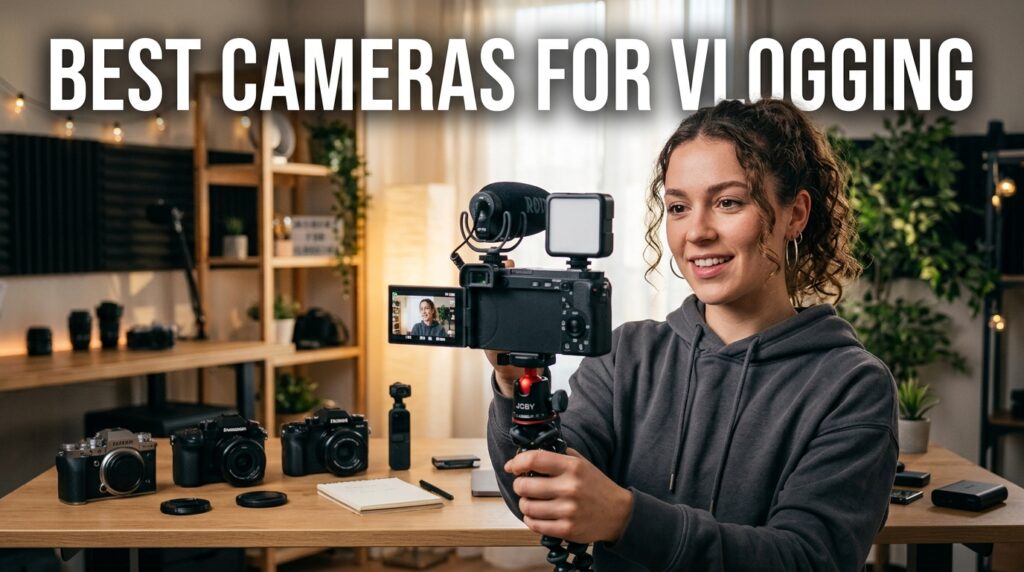

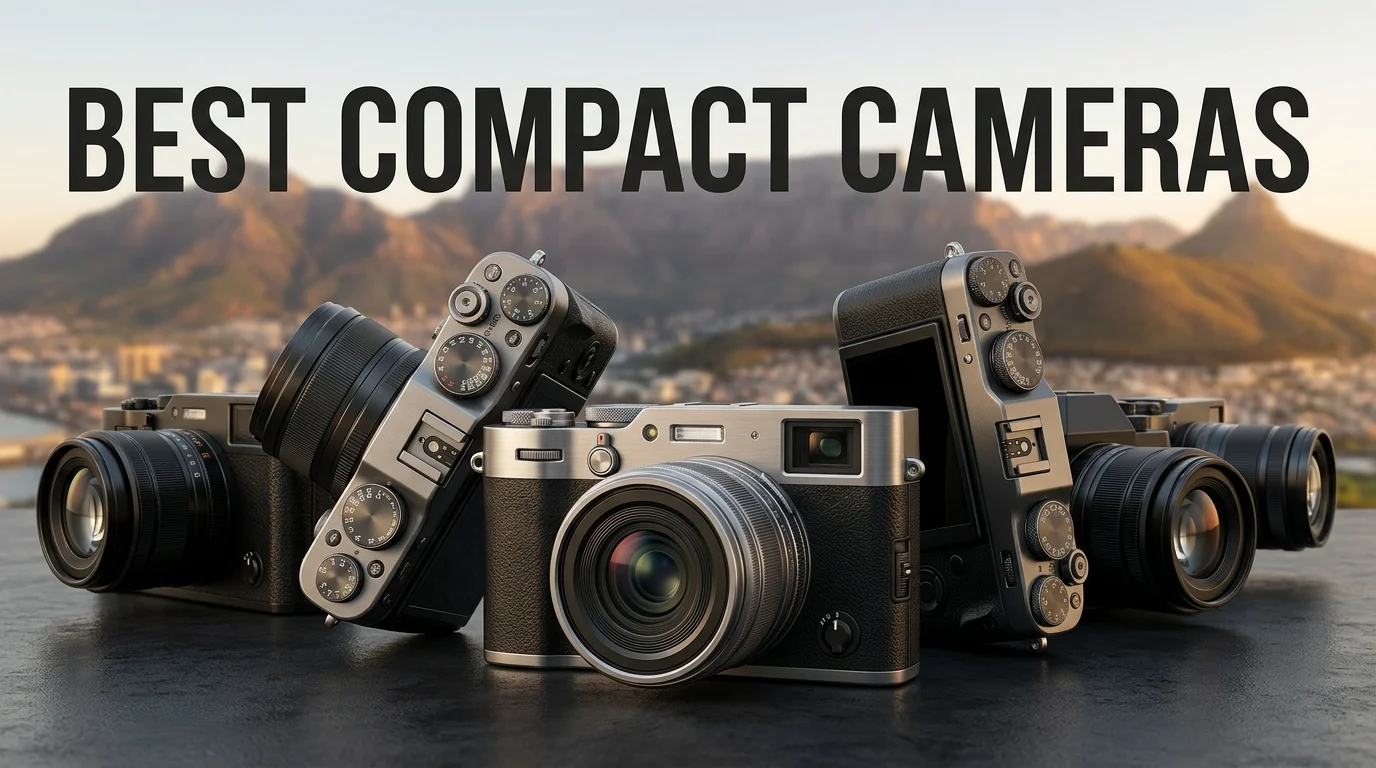
The best compact cameras are the ones that fit the way you shoot. A premium fixed-lens model suits everyday photography, a rugged model suits travel, and a pocket camera suits simple video and family photos.
Quick comparison
| Option | Best for | Why it stands out | Budget |
|---|---|---|---|
| Fujifilm X100VI | Street and everyday photos | Large sensor, fixed lens | Premium |
| Sony RX100 VII | Travel zoom | Pocket body, long zoom | High |
| Canon PowerShot V1 | Creators | Video-first controls | Mid to high |
| OM System TG-7 | Outdoor trips | Waterproof, shock resistant | Mid |
| Sony ZV-1F | Simple video | Wide lens, creator screen | Budget |
TL;DR
- Start with the use case, not a feature list.
- Keep the setup simple enough to use every week.
- Compare the tradeoffs before paying for premium extras.
Start with the photos you want to make

A compact camera is not automatically a small camera. The useful distinction is whether it gives you a focused, ready-to-shoot setup without a bag of lenses. Decide whether you need a wide travel view, a longer zoom, low-light quality, or video controls before comparing model names. We cover this in more depth in Small Camera Buying Guide.
For a related plain-English resource, see our practical how-to tutorials.
Compare the Best Compact Cameras: Sensor, Lens, and Zoom Together
A larger sensor can improve detail and background separation, while a longer zoom helps with distant subjects. Neither wins alone. A wide fixed lens may be perfect for travel stories and poor for sports. Write down your most common subject, then reject models that make that subject harder.
Check handling before paying for specs
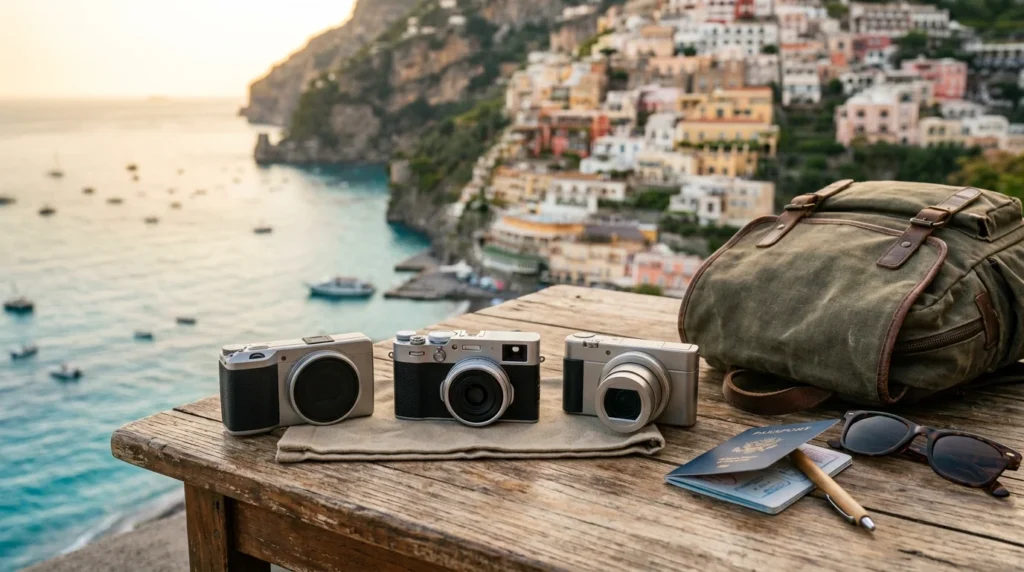
Look for a screen you can see outdoors, controls you can change quickly, and a grip that feels secure. Battery, memory-card access, autofocus behavior, and charging matter on a real trip. A camera that is pleasant to carry is more likely to leave the house.
Choose a buying path
Pick the X100VI for deliberate stills, RX100 VII for reach in a small body, PowerShot V1 for creator video, TG-7 for rough weather, or ZV-1F for uncomplicated vlogging. Those are use-case recommendations, not a claim that one camera suits everybody.
How to make a confident choice
- Write down the task you do most often.
- Set a total budget that includes accessories or subscriptions.
- Try the simplest option that meets the task.
- Review after one week and adjust only what blocks progress.
This method keeps the choice practical. It also prevents a long feature list from replacing a real decision. A focused setup is easier to learn, easier to maintain, and more likely to deliver the result you wanted.
A practical example
Imagine you are making the decision on a busy Tuesday evening. Open a note and describe the job in one sentence. Then list the conditions that make the job harder: poor light, a noisy room, a small screen, travel, a tight deadline, or a limited budget. Compare each option against that short list. This shifts the question from which option has the most features to which option makes your normal task easier.
Next, make a tiny test plan. Use the option for one ordinary task, one slightly difficult task, and one task you actually enjoy. Record what slowed you down. A product, tool, or technique that seems impressive in a review can be frustrating when its controls, setup time, or upkeep do not fit your routine. That is why a short test gives you better information than a generic star rating.
Keep your first setup deliberately small. Add only the accessory, template, setting, or workflow step that solves a real problem. You can expand after you have a repeatable habit. This approach also protects your budget because it makes optional upgrades earn their place instead of becoming an automatic purchase. Stop. Make the next choice only after you learn how the first one performs in ordinary use, because real habits reveal costs and frustrations that no comparison chart can predict.
What people often get wrong
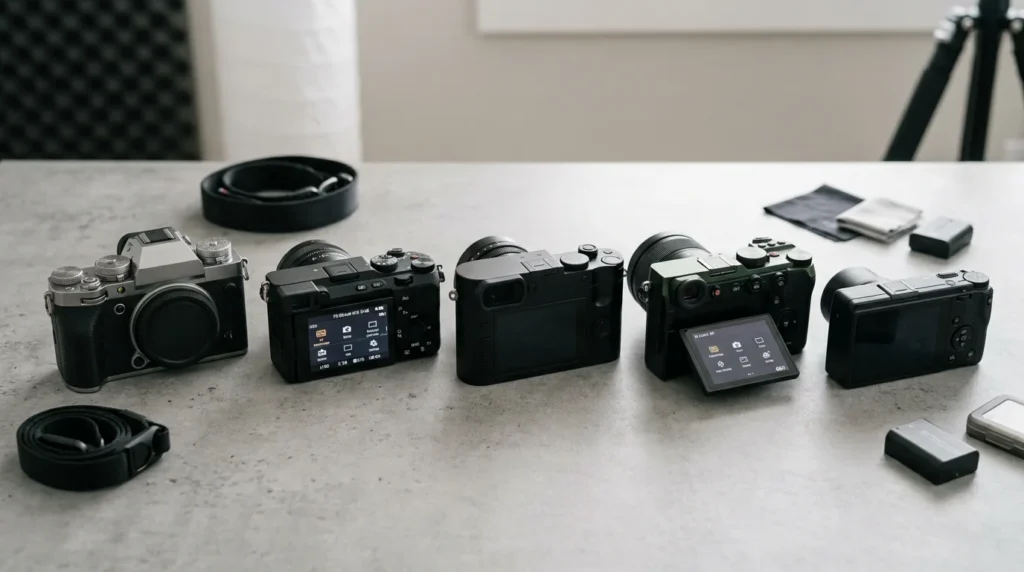
The common mistake is choosing for an imagined future rather than the task in front of you. Beginners may buy advanced controls before learning the basics. Busy people can choose an elaborate system that is difficult to open each day. Some shoppers focus on one headline specification while ignoring comfort, compatibility, support, or the ongoing cost of using it.
Another mistake is treating a recommendation as a universal verdict. Good recommendations have a context. They explain who benefits, which tradeoff is involved, and who should look elsewhere. Use the comparison table to narrow the field, then read the section that matches your situation. If two options still seem tied, choose the simpler one or the option with an easier return policy.
Finally, do not wait for perfect certainty. You only need enough evidence to make a sensible next choice. Set a review date after a week or a month. If the option is helping, keep it. If it creates friction, change one variable and test again. That process is calmer, cheaper, and more useful than restarting the research from scratch.
Decision checklist
Before you finish, check five things. Can you explain the main job in one sentence? Does the option work with the device, space, and time you already have? Can you afford the full setup rather than only the first purchase? Is there a low-risk way to test it? And do you know the one tradeoff you are accepting? If you can answer those questions, you have enough clarity to move ahead.
Save the checklist with your notes. It becomes useful the next time a new feature, sale, or recommendation distracts you from the original goal. In the United States, set a total budget in USD, such as $100 for a starter setup, before you compare extras. The best choice is rarely the most complicated one. It is the choice you will use consistently and understand well enough to improve. Do that first. Then stop comparing.
Before you share results or settings publicly, review our guide to locking a Facebook profile for a quick privacy reminder.
Next step
Choose one option, make a short checklist, and test it with a real task this week. A small practical test reveals more than another hour of comparison.
Frequently asked questions
A zoom helps with distant subjects. A larger sensor helps image quality in difficult light. Your subject decides which tradeoff matters.
Prioritize a comfortable camera, reliable autofocus, and a lens that matches your usual scenes. Do not buy extra features you will not use.
They can offer different lenses, physical controls, and a more intentional shooting experience. A phone is still the better choice when immediate editing and sharing matter most.